
The Role of Hot Press Machines in Woodworking
Hot press machines are essential tools in the woodworking industry, playing a crucial role in various processes from laminating to molding. These machines utilize heat and pressure to bond materials together, enhancing both the strength and appearance of wood products. This article explores the key functions and advantages of hot press machines in woodworking.
1. Laminating Wood
One of the primary functions of hot press machines is laminating wood. In this process, thin layers of wood veneer are glued together using heat and pressure to create plywood or laminated wood products. The application of heat activates the adhesive, ensuring a strong bond between layers. This not only improves the durability of the finished product but also allows for the creation of aesthetically pleasing designs through the use of different wood species.
2. Producing Engineered Wood Products
Hot press machines are instrumental in the production of engineered wood products such as particleboard, medium-density fiberboard (MDF), and oriented strand board (OSB). These materials are made by combining wood fibers, particles, or strands with adhesives, which are then pressed under heat to form dense sheets. The resulting engineered wood products are often more uniform and stable than traditional solid wood, making them ideal for furniture and cabinetry.
3. Shaping and Molding
In addition to bonding and laminating, hot press machines are also used for shaping and molding wood products. By applying heat and pressure, manufacturers can create curved or intricately shaped components that would be difficult to achieve through conventional woodworking methods. This capability is especially valuable in furniture design, where unique shapes and forms can enhance the overall aesthetic appeal.
4. Enhancing Surface Finish
Hot press machines can improve the surface finish of wood products. The heat generated during the pressing process helps to smooth out imperfections and enhance the wood’s natural grain. This results in a more polished and attractive final product, reducing the need for extensive sanding and finishing work. A high-quality surface finish is essential for consumer satisfaction and can significantly impact the marketability of the product.
5. Improving Efficiency and Reducing Waste
The use of hot press machines in woodworking can lead to improved efficiency and reduced material waste. By streamlining the lamination and pressing processes, manufacturers can produce larger quantities of wood products in a shorter time frame. Additionally, engineered wood products often utilize smaller wood particles or fibers, which helps minimize waste from traditional lumber cutting. This not only benefits the manufacturer’s bottom line but also supports sustainable practices in the industry.
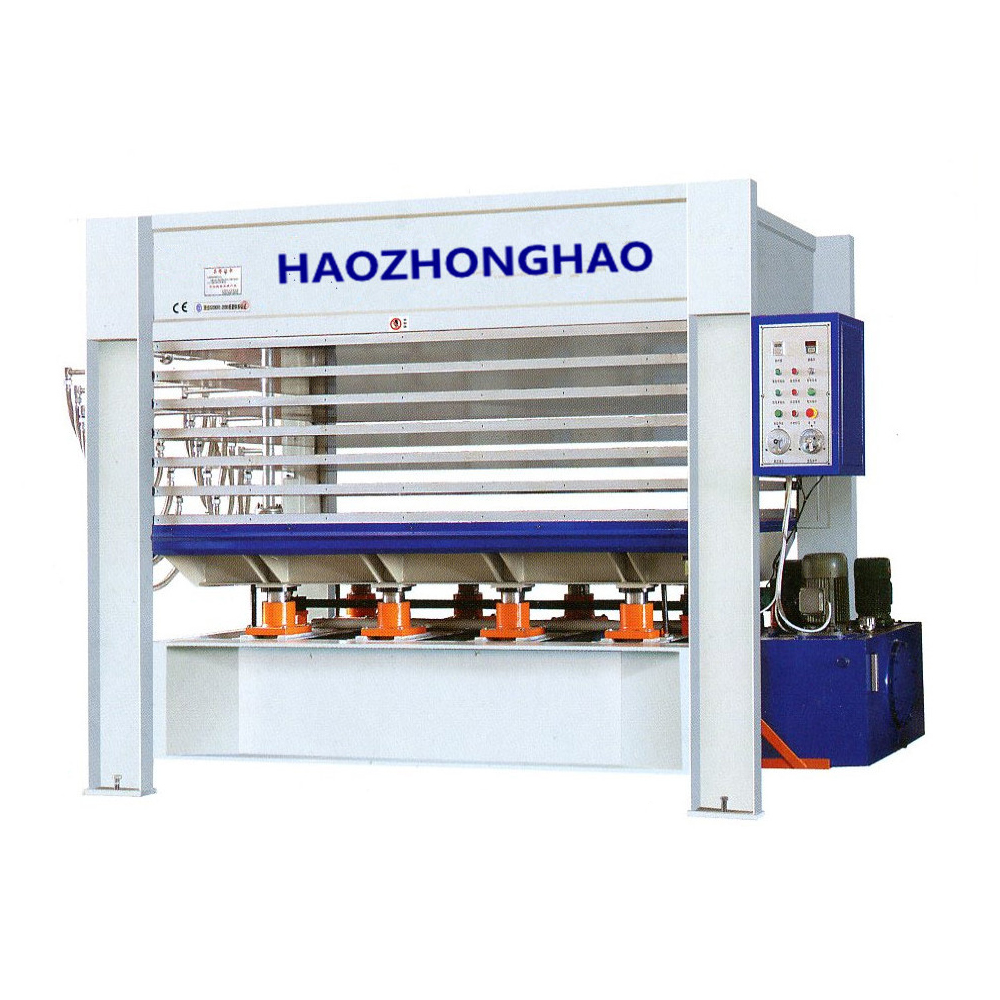
Hot press machines play a vital role in the woodworking industry, from laminating and producing engineered wood products to shaping and enhancing surface finishes. Their ability to combine heat and pressure efficiently allows for the creation of durable, aesthetically pleasing, and innovative wood products. As technology advances, the capabilities of hot press machines will continue to evolve, further transforming the woodworking landscape and meeting the demands of modern consumers.