
The Role of Curve Banding Machines in Modern Woodworking
Q1: What is a curve banding machine, and what does it do?
A curve banding machine is a specialized piece of equipment used in woodworking to apply edge bands around curved or irregularly shaped wooden surfaces. The machine uses adhesive and flexible edge banding material to create a smooth, seamless finish, allowing woodworkers to add aesthetic appeal and durability to curved wood components such as furniture, cabinetry, and paneling.
Q2: Why are curve banding machines important in modern woodworking?
In traditional woodworking, applying edge bands to curved or intricate shapes was a time-consuming and challenging process. With curve banding machines, the process becomes automated, precise, and much faster. These machines enable woodworkers to achieve professional-quality finishes with reduced labor costs and fewer errors. The ability to apply edge bands to complex shapes opens up new design possibilities, making them essential in modern woodworking.
Q3: How do curve banding machines work?
Curve banding machines work by feeding a wooden component through a system that applies adhesive to the edges. The machine then automatically positions the edge banding material onto the curved surface. A set of rollers presses the banding securely into place, ensuring it adheres evenly without wrinkles or gaps. Some advanced machines also use heat to activate the adhesive, improving the bond and speed of the process.
Q4: What are the advantages of using a curve banding machine in woodworking?
- Precision: Curve banding machines ensure a uniform and smooth finish on curved edges, which is difficult to achieve manually.
- Increased Productivity: These machines can handle large volumes of work much faster than manual methods, reducing production time.
- Reduced Waste: With precise application, material waste is minimized, improving cost-efficiency.
- Consistency: Every piece can have the same high-quality finish, maintaining consistency across large production runs.
- Design Flexibility: Curve banding machines can handle a variety of curves and shapes, allowing for more creative designs and more complex woodwork.
Q5: What types of woodworking applications benefit most from curve banding machines?
- Furniture Manufacturing: Especially for curved components like tables, chairs, and cabinets.
- Architectural Woodworking: For curved paneling, molding, and doors.
- Interior Design: In creating custom wood features, wall panels, and decorative elements.
- Custom Cabinetry: Especially for kitchens and bathrooms where custom designs are often required.
- Curved Staircase Components: For bannisters and stair treads that require seamless edging.
Q6: What are the key considerations when choosing a curve banding machine?
- Machine Size and Capacity: Ensure the machine can handle the size of your workpieces.
- Edge Banding Material Compatibility: Check if the machine supports different materials such as wood veneer, PVC, or laminate.
- Speed and Efficiency: Choose a machine that balances speed with precision, depending on your production needs.
- Ease of Use and Maintenance: Look for machines with user-friendly controls and simple maintenance requirements to reduce downtime.
- Automation Features: Consider advanced features like automatic adhesive application, temperature control, or digital settings for increased efficiency and ease of use.
Q7: How has the evolution of curve banding machines impacted the woodworking industry?
The development of curve banding machines has dramatically transformed the woodworking industry. As technology has advanced, these machines have become more automated, versatile, and efficient, allowing for faster production cycles, more intricate designs, and higher-quality finishes. Woodworkers can now take on more complex projects without the need for specialized manual skills, increasing their competitive edge in both custom and mass production markets. Furthermore, these machines help reduce labor costs and improve environmental sustainability by minimizing material waste.
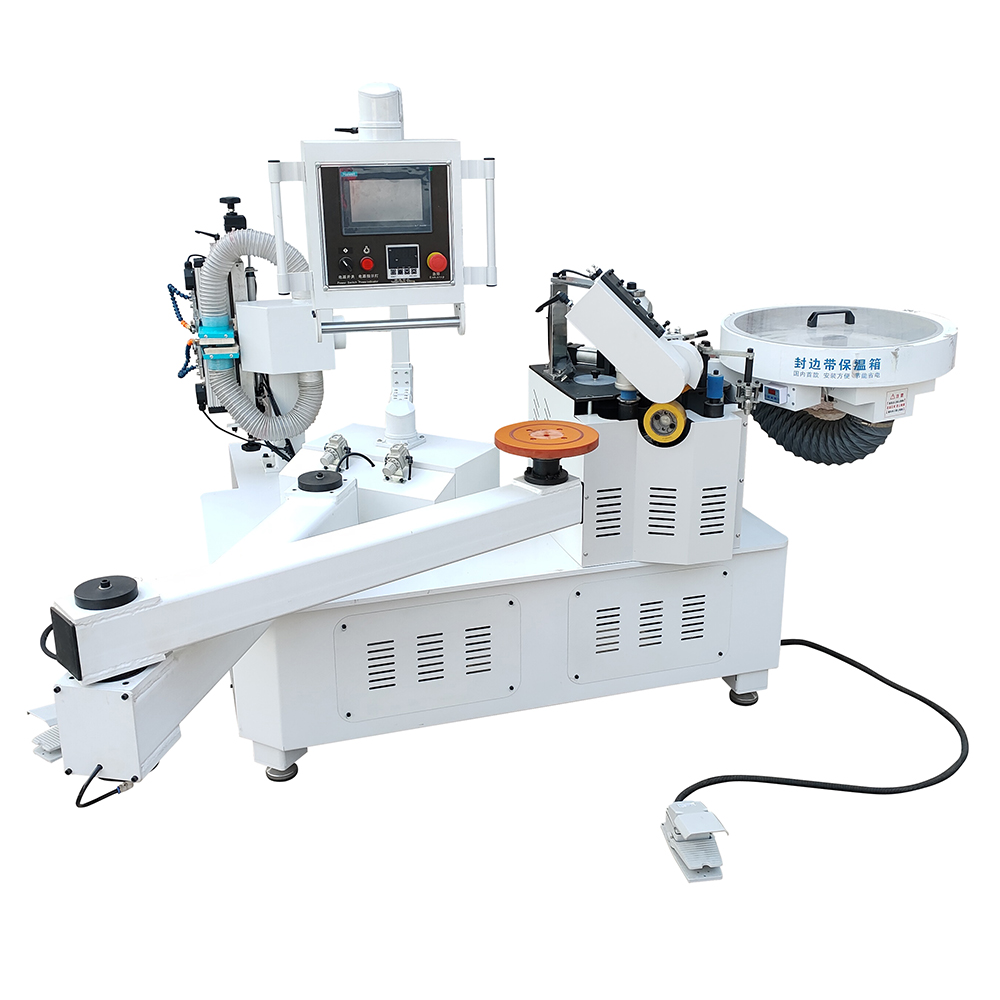
By embracing curve banding machines, modern woodworking has entered a new era of precision, productivity, and design possibilities. Whether you’re a large manufacturer or a small-scale artisan, these machines offer the tools to bring your woodworking projects to life with finesse and efficiency.