
Everything You Should Know About Double Side Planer!
A Double Side Planer is a versatile and efficient woodworking machine that is widely used for planing and finishing the surfaces of wood. Unlike traditional planers, which only process one side at a time, a double side planer can plane both sides simultaneously, significantly improving productivity and ensuring consistent results.
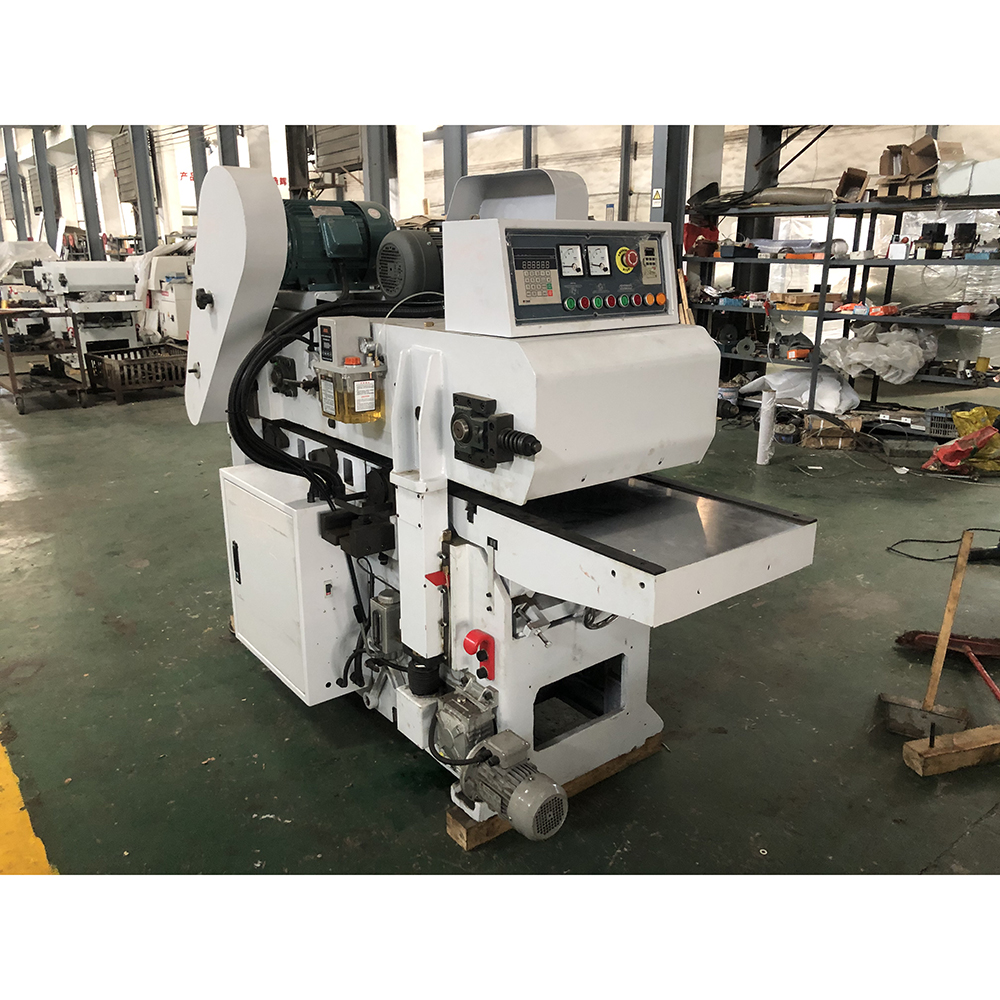
In this article, we will explore the key features, advantages, and frequently asked questions about this essential tool in woodworking.
What is a Double Side Planer?
A Double Side Planer is a machine designed to plane both sides of a workpiece simultaneously. It is used primarily in the woodworking industry to achieve smooth, uniform thickness and a polished surface on both sides of a material. Whether you’re working with hardwood, plywood, or MDF, a double side planer is ideal for large-scale production, as it drastically reduces the time required to process materials compared to traditional one-sided planing methods.
How Does a Double Side Planer Work?
A double side planer typically features two sets of rotating blades or knives. These blades are positioned on opposite sides of the workpiece, allowing the machine to process both sides simultaneously. As the material passes through the machine, the blades shave off excess material to achieve the desired thickness and smoothness. The machine’s settings, such as blade height and pressure, can be adjusted to accommodate different types of materials and thickness requirements.
What are the Benefits of Using a Double Side Planer?
Using a double side planer comes with numerous advantages, including:
- Increased Efficiency: By processing both sides of a workpiece simultaneously, you reduce production time and improve overall workflow.
- Consistent Results: Double side planers provide uniform thickness and surface quality, ensuring that both sides of the material are perfectly smooth and level.
- Higher Precision: These machines allow for fine-tuned adjustments, ensuring that the material is planed to the exact specifications required.
- Reduced Labor: The automated process minimizes the need for manual intervention, reducing labor costs and human error.
Common Questions About Double Side Planers
1. What Materials Can Be Processed by a Double Side Planer?
Answer: A double side planer can process a variety of materials, including hardwood, softwood, plywood, MDF, and particleboard. It is commonly used in the furniture industry for making smooth surfaces for tables, cabinets, doors, and other products.
2. How Is a Double Side Planer Different from Other Planers?
Answer: Unlike traditional planers that only work on one side of the material at a time, a double side planer processes both sides in one pass. This not only saves time but also ensures that both sides of the material are finished to the same standard of precision.
3. Can a Double Side Planer Be Used for Thicker Materials?
Answer: Yes, double side planers can handle thicker materials, but the capacity depends on the model and design of the machine. Some machines are specifically designed to process thicker substrates, while others are better suited for standard thicknesses.
4. What Are the Main Features of a Double Side Planer?
Answer: Key features include adjustable cutting height, multiple blade configurations, high-speed rotating knives, and precision alignment to ensure that both sides of the material are planed evenly. Some models also include automatic feeding systems to improve efficiency.
5. Is It Easy to Maintain a Double Side Planer?
Answer: Maintenance is relatively straightforward. Regular tasks include cleaning the machine, sharpening or replacing the blades, and ensuring the rollers are free of debris. Routine inspection of the machine’s components is essential for optimal performance. Following the manufacturer’s maintenance instructions will help prolong the machine’s lifespan and keep it running smoothly.
Conclusion
A Double Side Planer is an invaluable tool for any woodworking business or individual who values efficiency, precision, and consistency. By allowing you to process both sides of a material simultaneously, it drastically reduces production time and enhances the quality of your finished products. Whether you are producing large quantities of furniture, cabinetry, or other wood products, this machine is sure to improve your workflow and output. Understanding its features, benefits, and how to properly maintain it will help you make the most out of this powerful woodworking tool.